Cabinet Secretary Eric Mugaa Tours Meru’s Transformative Water and Sanitation Projects
By Rose Chomba
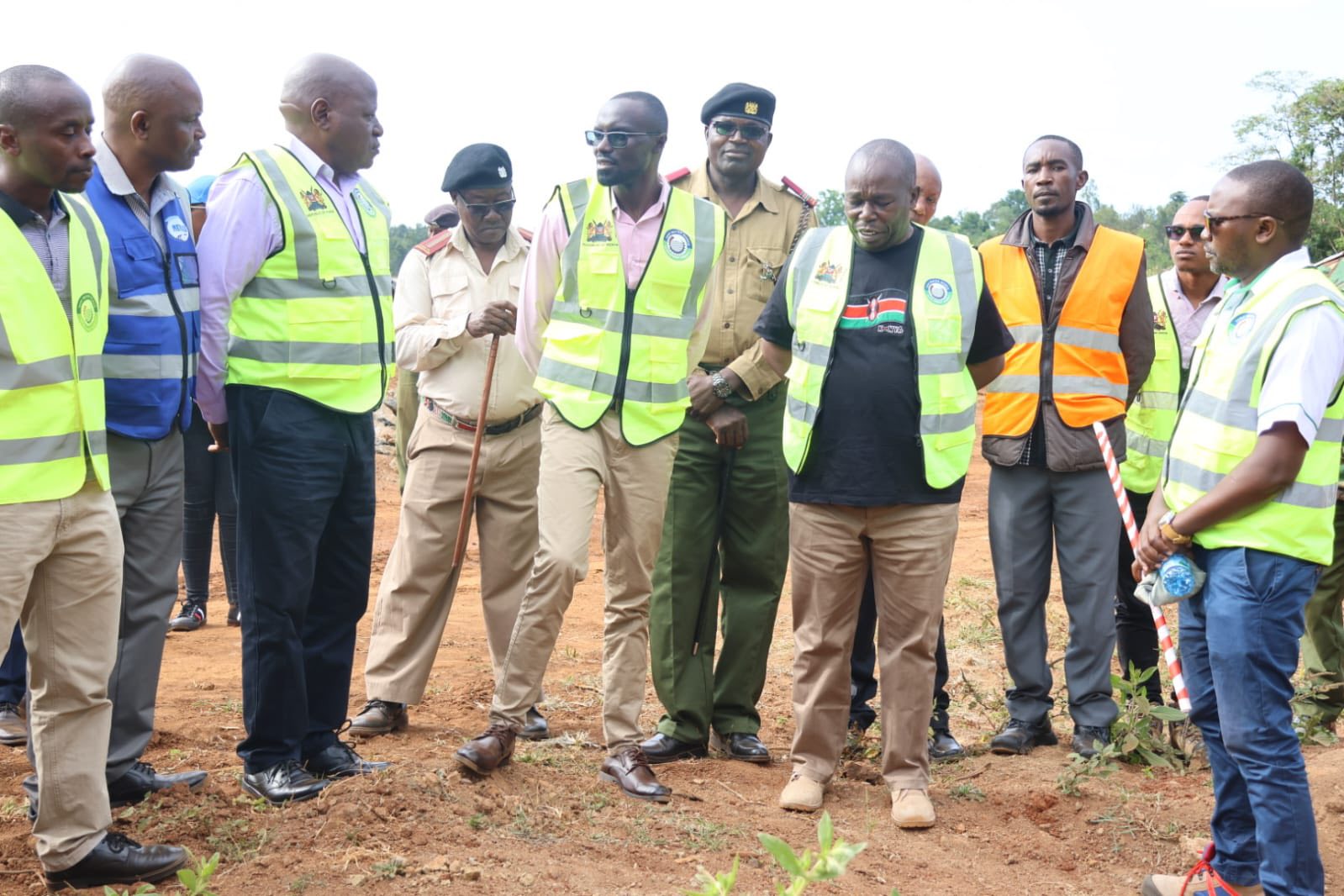
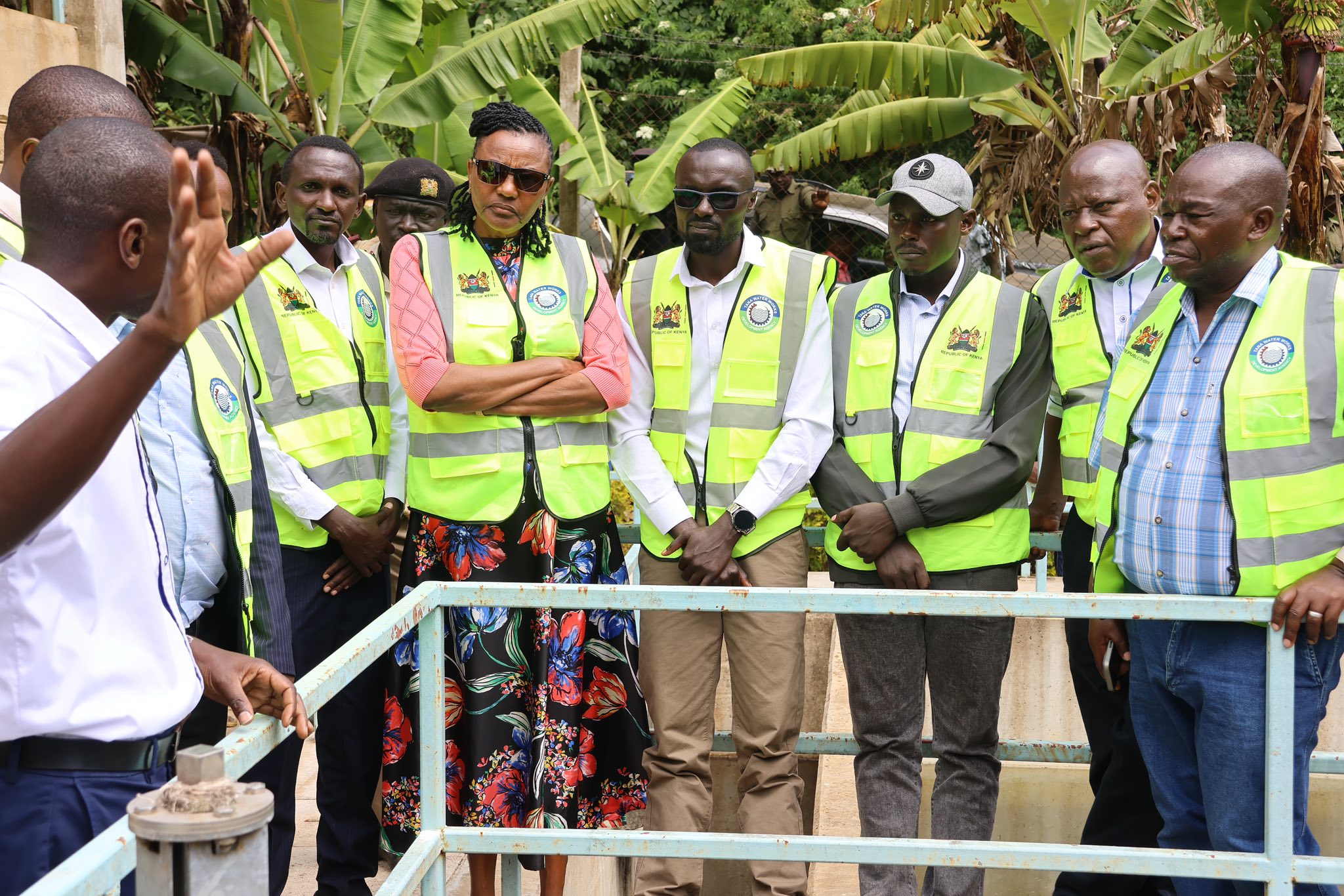
On 16th and 17th June 2025, Cabinet Secretary for Water, Sanitation, and Irrigation Eng. Eric Mugaa led a focused two-day working visit to Meru County to inspect major Water and Sanitation Projects being implemented by the Tana Water Works Development Agency (TWWDA). The inspections and stakeholder meetings underscored the national government’s push to ensure delivery of sustainable, equitable water services under the governments Bottom-up Economic Transformation Agenda (BETA).
Purpose and Political Coordination
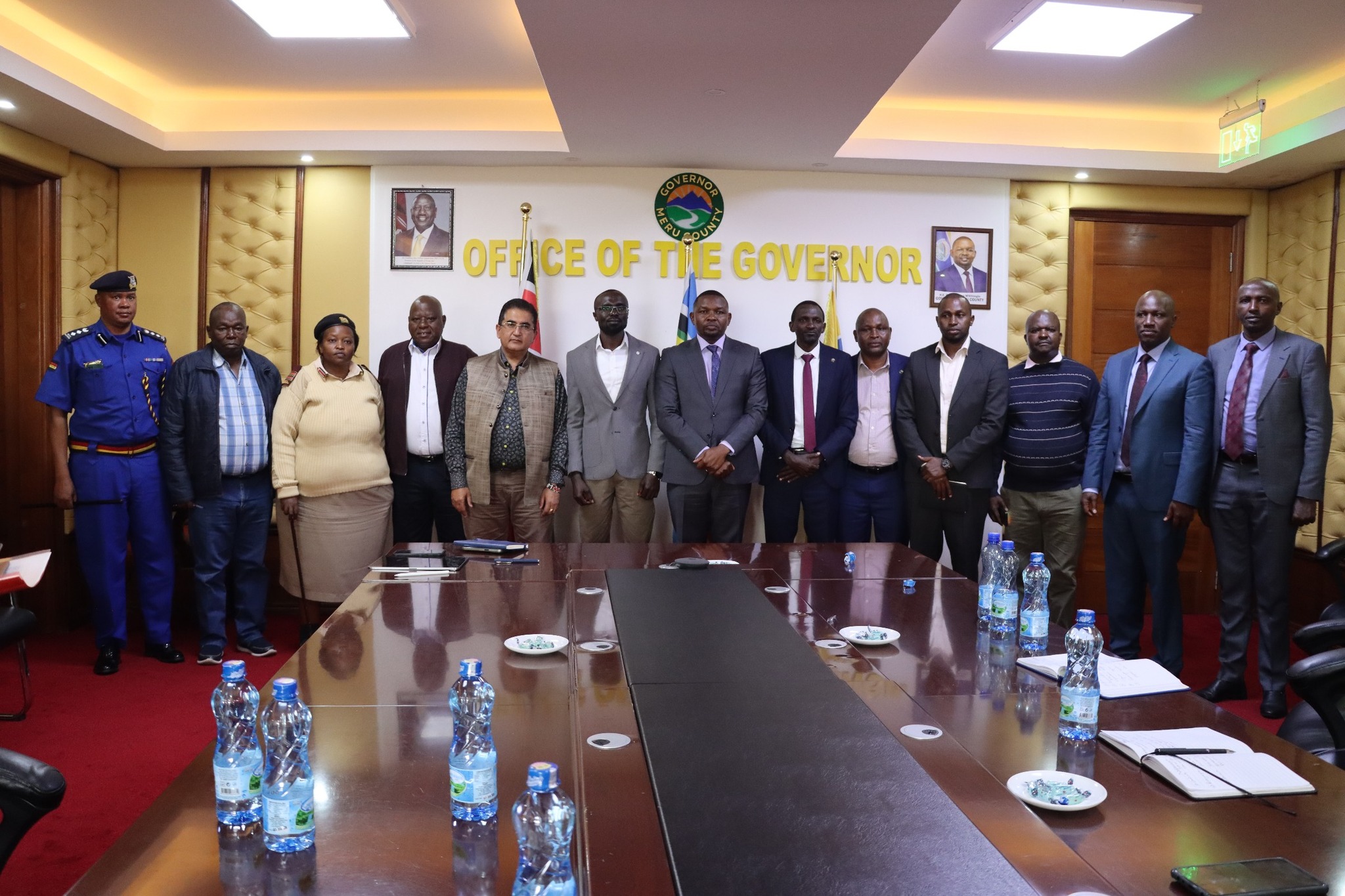
The Cabinet Secretary (CS) Eng. Mugaa opened the visit with a courtesy call to Meru Governor H.E. Rev. Mutuma M’Ethingia to confront long-standing water supply constraints and rationing that have affected parts of Meru. Conversations prioritized rapid expansion of systems serving Maua, Nkubu and Timau, and placed equal emphasis on operational efficiency and long-term sustainability. The CS expressed his commitment to push the Water Agenda for the region and ensure that it was considered and financed as part of the scheduled infrastructure projects. The CS Proposed reforms to strengthen water supply which included the introduction of master meters for better monitoring, deliberate efforts to reduce non-revenue water, tariff reviews for fairness, clearer borehole management arrangements, and improved remittance practices to the Water Resources Authority to strengthen water sector accountability.
Maua Sewerage Last Mile Connectivity: Public Health meets Coverage Targets
A central stop on the tour was the Maua Sewerage Last Mile Connectivity Project in Igembe South Constituency. Upon completion, the scheme will deliver 100% sewer coverage to Maua’s Central Business District and extend services to 70% of the rest of the town. The project is positioned as more than infrastructure: it is an environmental and public-health intervention that will reduce pollution, enhance healthy well-being of the residents, improve sanitary conditions, and expand modern waste management for residents and businesses.
Nyambene Hills Wellfields: Water Security for Four Constituencies
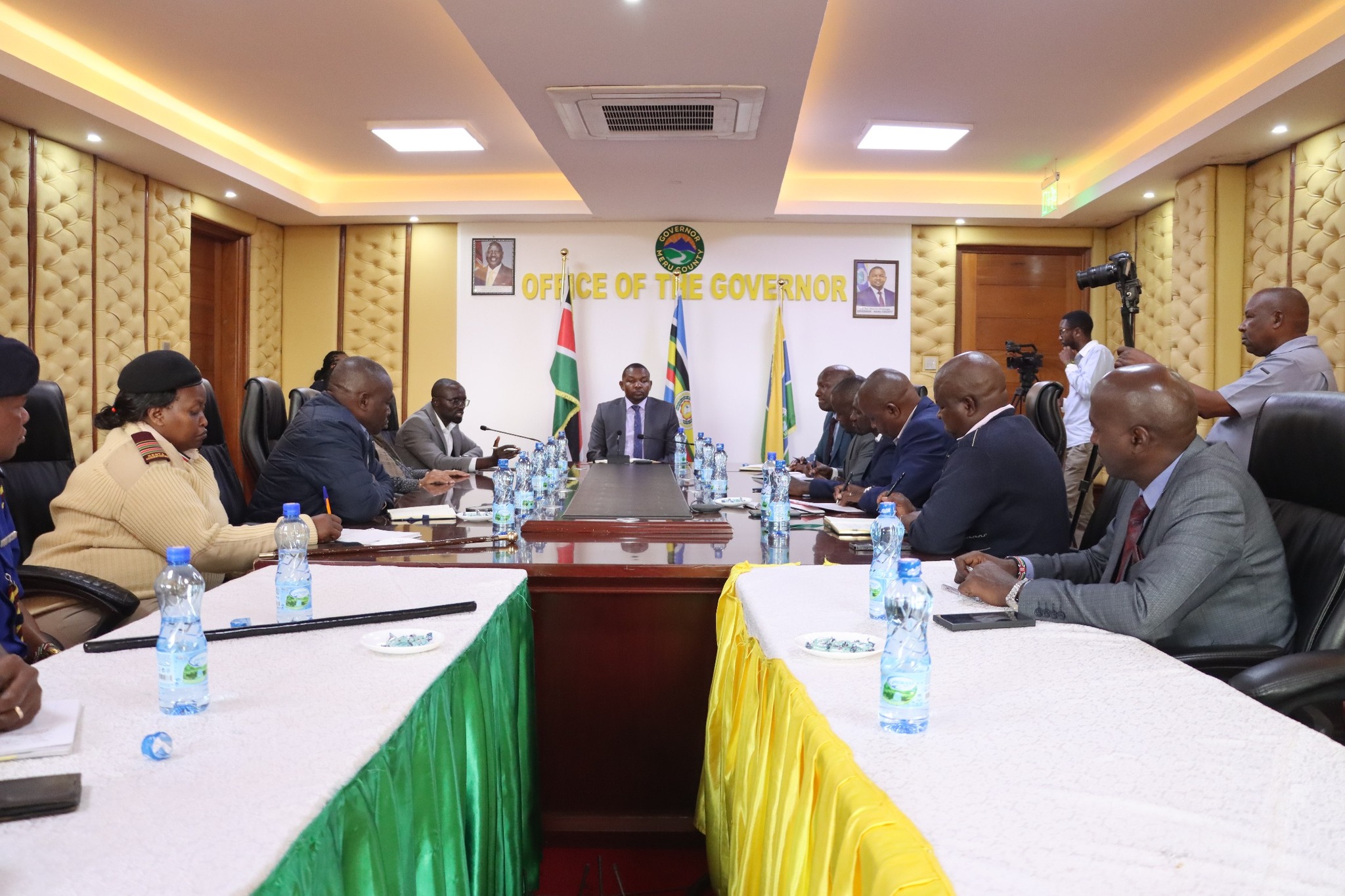
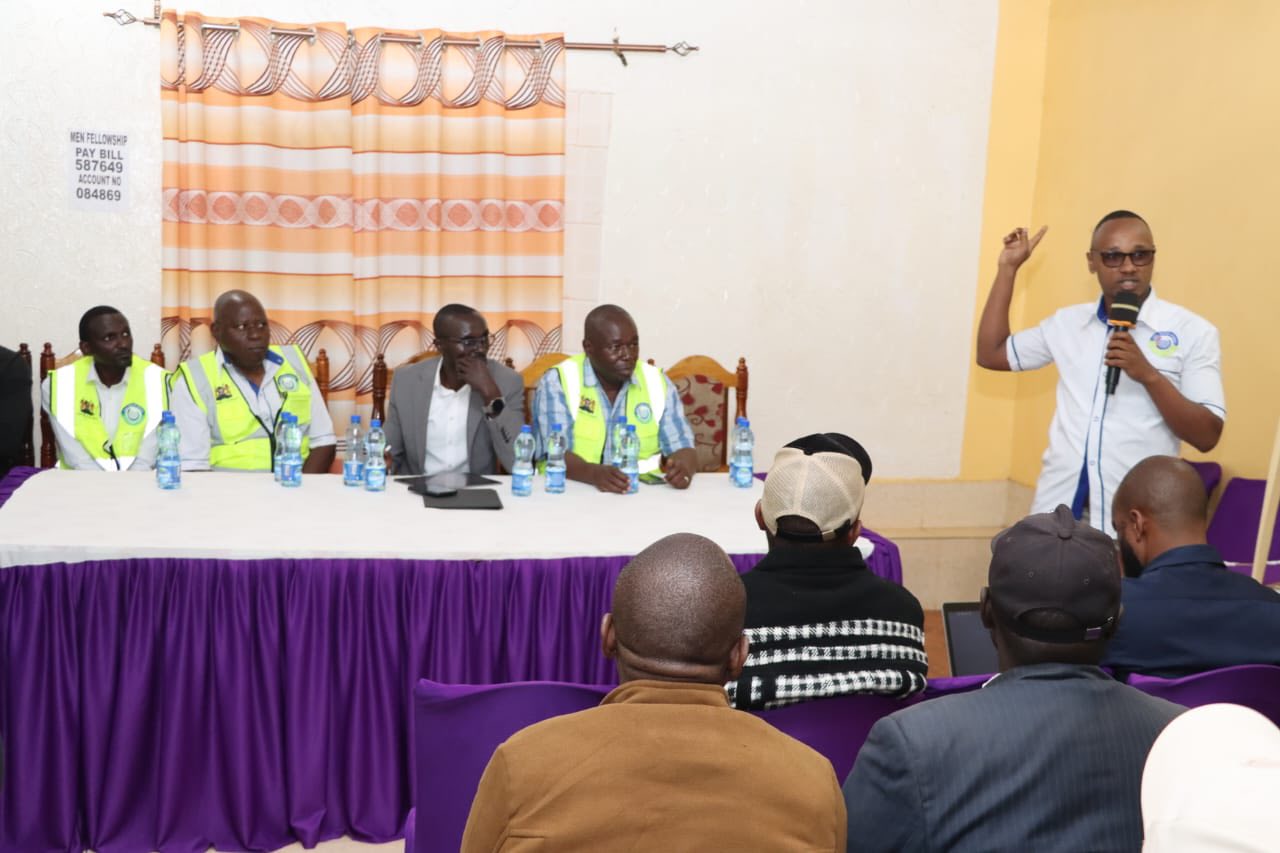
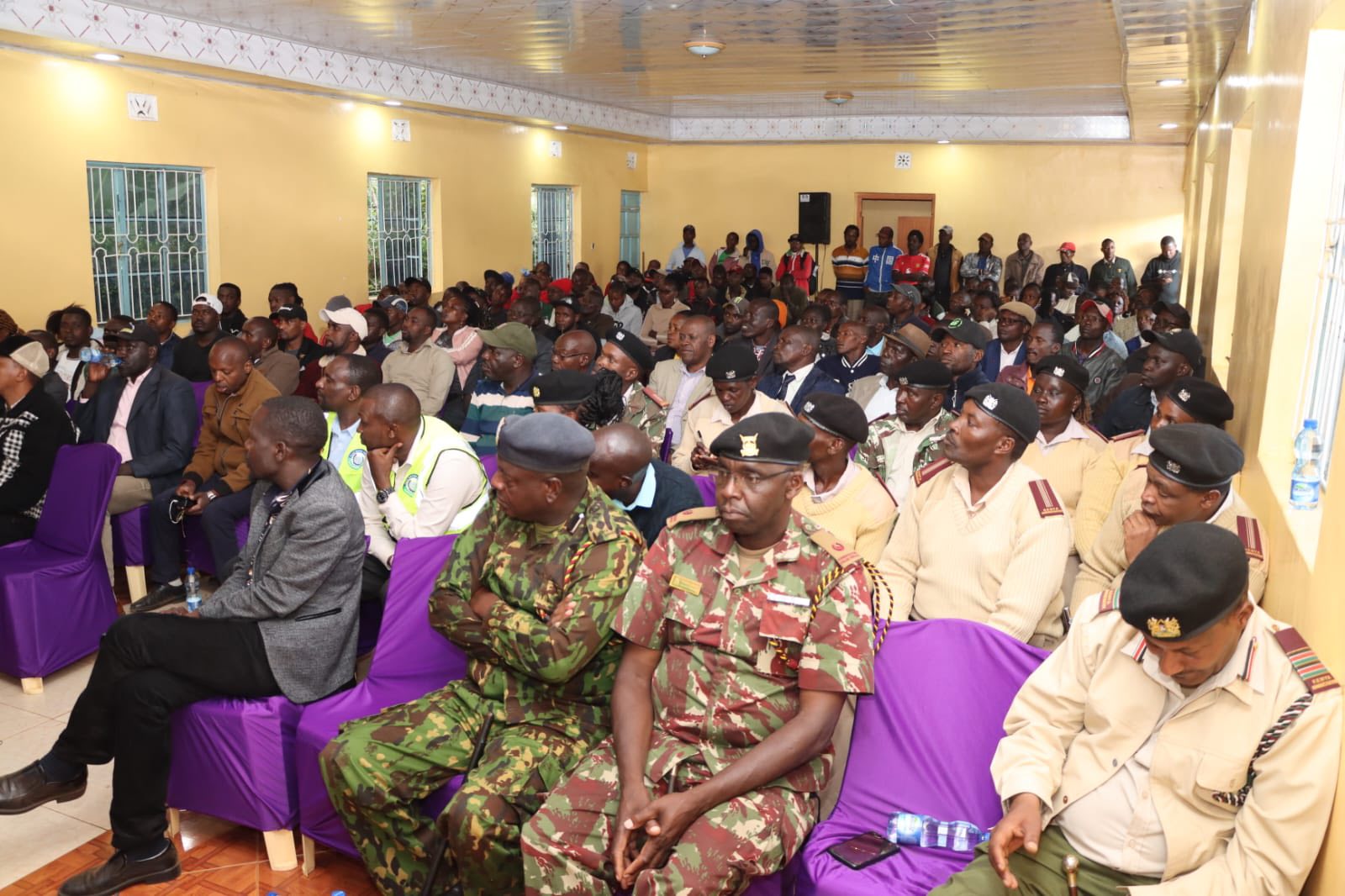
That evening Eng. Mugaa chaired a stakeholder engagement on the proposed Nyambene Hills Wellfields Water Supply Project. Planned to serve four constituencies in the Nyambene region, the scheme is presented as a strategic BETA-aligned investment that will raise water security, protect public health, and stimulate local economic activity by reliably connecting more households and institutions to safe water.
The CS pointed out that Nyambene Hills is a vital water tower that sustains rivers springs, shallow wells, boreholes, wetlands and small dams used by thousands of households, farms and businesses and has capacity to serve a wide population in the constituency. A successful Nyambene water programme would deliver reliable, safe water to households and institutions; reduce disease burden; support small-scale irrigation and enterprise; and preserve the hills’ ecological functions.
Rwanyange Wastewater Treatment Plant: Scale and Impact
The visit concluded with an inspection of the Rwanyange Wastewater Treatment Plant in Nyaki East Ward, Imenti North Constituency. The facility is a flagship project of the broader Meru Sewerage Project, and it is designed to serve roughly 193,000 residents ultimately when fully operational. Its scale signals a shift toward centralized, environmentally compliant wastewater treatment that can support the county’s growing urban population. The CS expressed dissatisfaction that the progress of construction was dilatory, further denying residents an opportunity to draw the benefits of the project. He further noted that similar projects under the Kenya Towns Sustainable Water Supply and Sanitation Program were complete except for Meru Sewerage Project. Eng. Mugaa Promised to work towards unlocking the challenges that were affecting construction progress.
Commitments, governance and next steps
Throughout the visit Eng. Mugaa reiterated the Ministry’s commitment to close collaboration with County governments, agencies, and communities to ensure reliable, safe and equitable water and sanitation services. He emphasized the need to clamp down on illegal connections, deepen stakeholder coordination, and roll out monitoring and billing reforms to sustain investments. The CS was accompanied by National and County leaders, including MPs, TWWDA leadership and MEWASCO officials, sending a clear message that the projects have high-level backing, and leaders are keen to see that those projects are successfully implemented for the benefits of the intended communities.
Why this Matters
Beyond pipes and treatment plants, the Meru inspections reflect a broader policy objective: align infrastructure delivery with socioeconomic transformation. By improving coverage of water and sewerage projects, these projects aim to address the rights of access to water as enshrined in our constitutions, protect public health, address the existing challenges of wastewater disposal and management of the ecosystem for a better habitable environment. The government is fully committed to ensuring citizens have water security and create conditions for local economic growth, which reinforces the core intent of BETA and of Meru County’s development trajectory.