Rising Tides, Receding Boundaries: The Lake Baringo and Naivasha Story
By Timothy Mahea
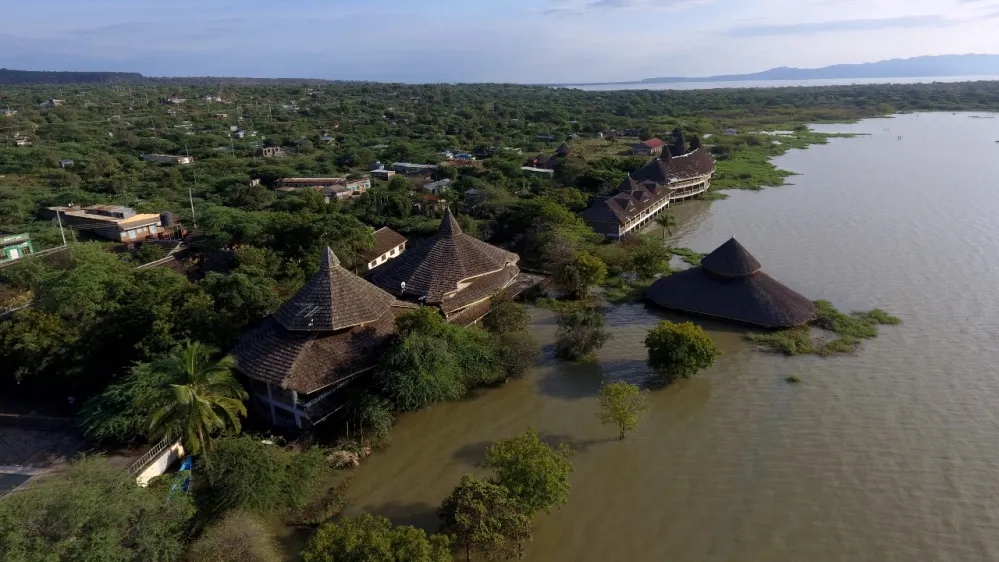
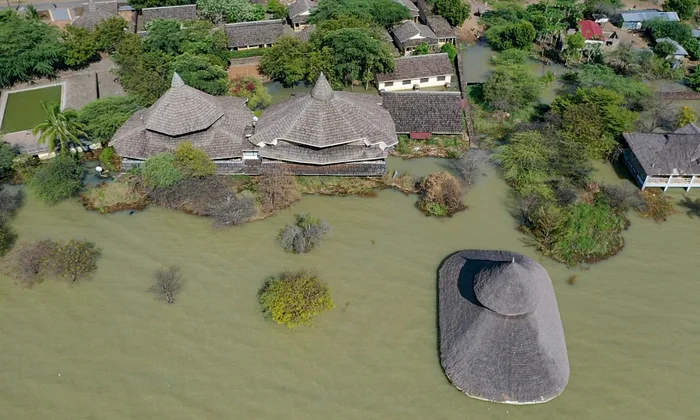
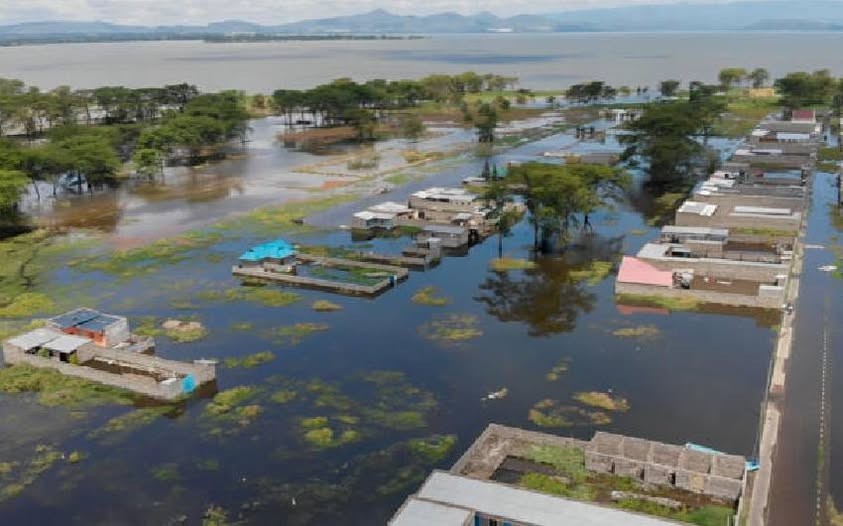
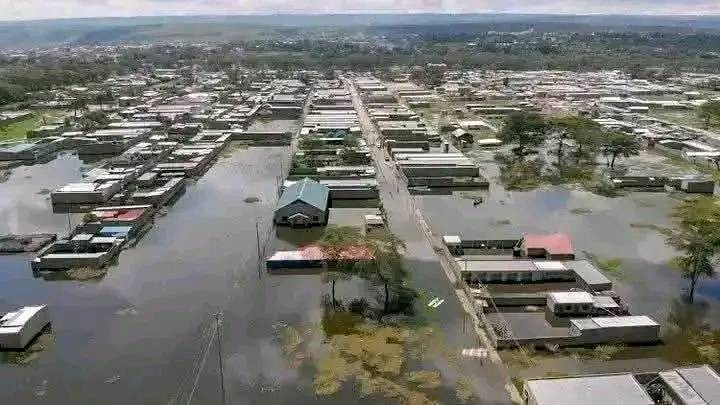
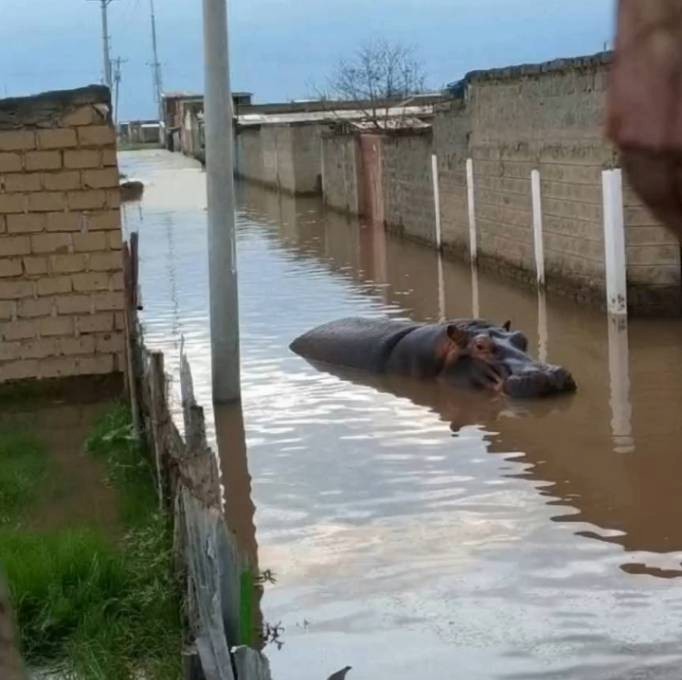
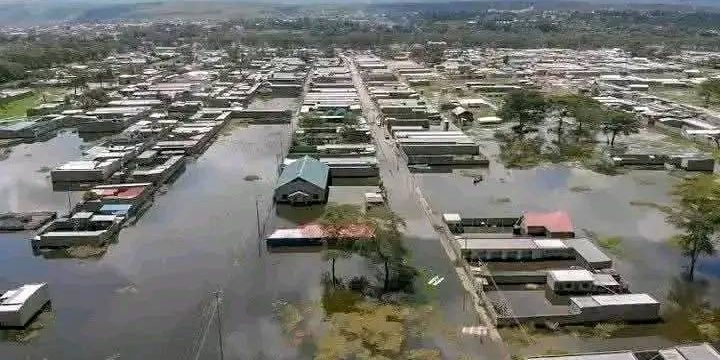
We have witnessed a steady increase in water levels within Lake Baringo and Lake Naivasha which has led to flooding in hotels and residential areas close to the lakes. Communities have been displaced, farmland lost, schools and health facilities submerged, as well as biodiversity threatened due to altered aquatic habitats. These influences are exacerbated by human activities such as change of land use, deforestation and reduction of vegetative cover, and poor water governance. Lots of explanations exist to the reasons leading to that, so let’s explore more on this topic. The explanations can be told from a complex mix of climate change issues, land use changes, catchment degradation and tectonic activity.
Looking back, we are coming from a period where we experienced severe draught in the years 2016/2017. In the year 2018, a logging ban was also put in place, limiting tree harvesting in the country, before it was lifted this year (2025). It’s been noted also that rainfall within these regions has increased by about 30%. The year 2018 was a year when we experienced heavy rainfall to the extent that there was an earth separation along the Narok Mai Mahiu Highway, which also brought enough speculations as explanations.
In the recent past, our development has interfered with land that nature had designed as water reservoirs like the swampy areas, that are quickly being subdivided into small plots and quickly sold to unsuspecting buyers during the dry season. This however does not offer water an alternative, other than to find its way into alternative lowest points for settlement. We therefore can summarize the issues as follows:
Hydroclimatic influences – this can cause increased subsurface inflows into lakes which lack outflows. Two, the ability of the lake to allow groundwater interactions may be affected, thereby increasing retention. The lake regions could also be suffering from hydroclimatic stress, causing reduced infiltration and increased runoff, hyperbolizing the situation. This can further be amplified by loss of vegetative cover on the landscapes, which is easily explained by the land clearance for settlement use and construction of commercial hotels.
Increased Rainfall and Temperature Rise – where increased rainfall and changes in precipitation patterns are being experienced. Rising temperatures around lake surfaces can also intensify convectional rainfall. We have witnessed changes in weather patterns where the intensity of the rains has increased while the rainy season period has reduced. Heavy rains are known to cause flash storms and floods, especially where they follow prolonged period of draught, which create hydrological shocks that destabilize lake systems.
Tectonic and Geological Influences – it is critical to remember that Rift Valley is geologically active, and tectonic shifts may alter underground water pathways, leading to increased seepage into lake basins. Over the last 15 years, the water has been increasing steadily over the period. Funny enough, the issue seems to be affecting the fresh water more than the salty water lakes.
Humanity and Infrastructure Development – human activity like overgrazing, farming activities, and fishing could be contributing to increased sedimentation, reducing lake depth while making them more prone to overflow during the rainy season. Water balance has also been affected due to alternation in the water balance dynamics due to the recent infrastructure developments, irrigation and horticultural activities.
Necessary Mitigation Measures
To avert these challenges, there is need to restore the riparian buffers and wetlands to absorb excess water. This can be achieved through planting of indigenous vegetation to stabilize shorelines and regulate inflows. Key among them will also include afforestation to meliorate infiltration and repress surface runoff into the lake basins. Collaborative efforts among key stakeholders like the Metrological Department, Kenya Wildlife Service (KWS), County Governments and respective government agencies. National and County governments must also create and enforce controlled development to avoid wetlands encroachment, surface and storm water management, ensure adequate vegetative cover as areas embrace infrastructure development.