Strengthening Water and Sanitation Infrastructure Development: A Story of Nyeri, Meru and Marsabit Counties
On a typical ordinary day, Eng. Eric Mugaa who is the Cabinet Secretary in charge of the Ministry of Water, Sanitation and Irrigation would be in office receiving briefs of projects implementation, financing partners concerns, updates on progress of different MDAs under the ministry as well as interacting with high level guests with an aim of addressing key water, sanitation and irrigation from all over the country and beyond. However, in certain situation he chooses to get out of office, roll his sleeves and get to where action is happening.
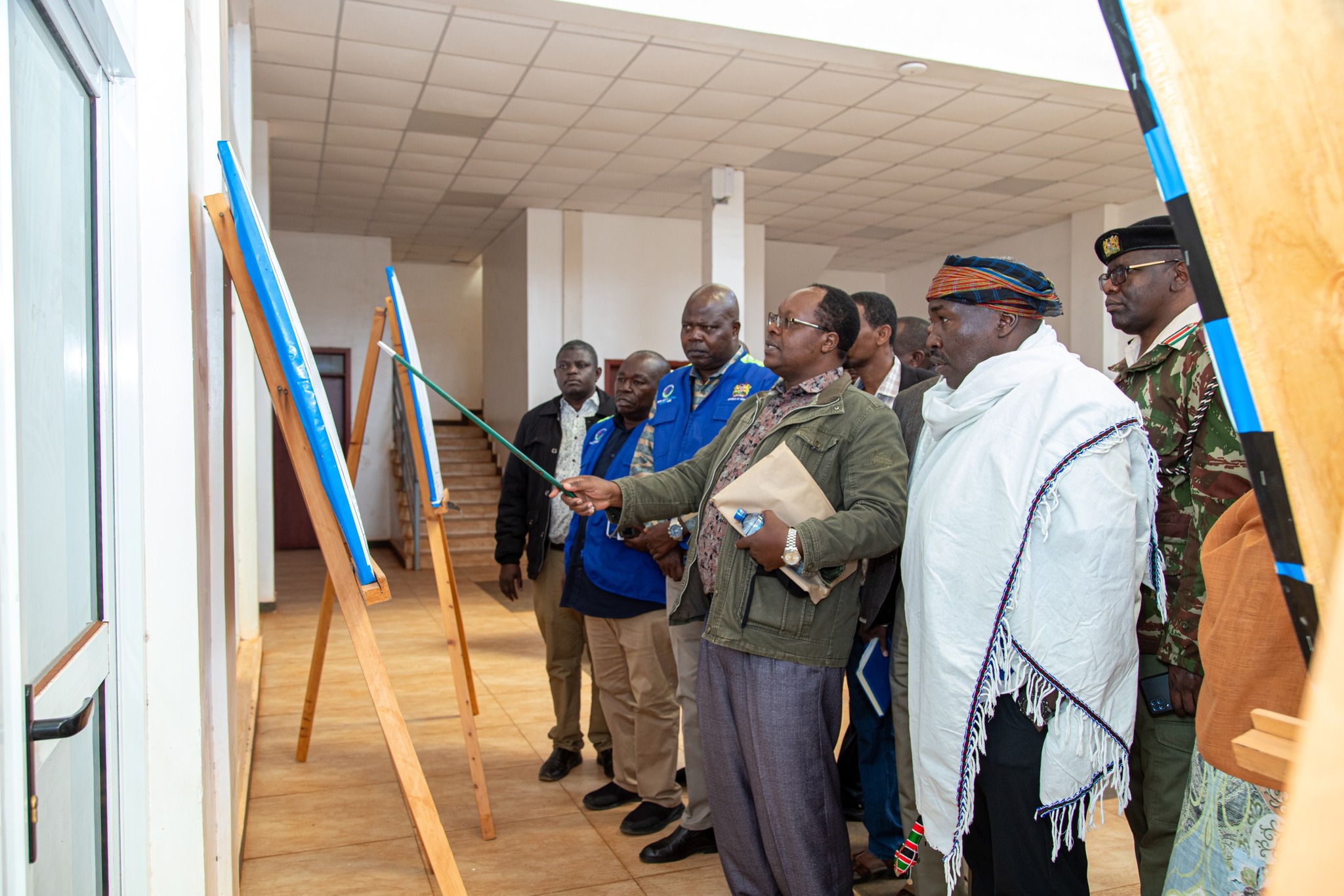
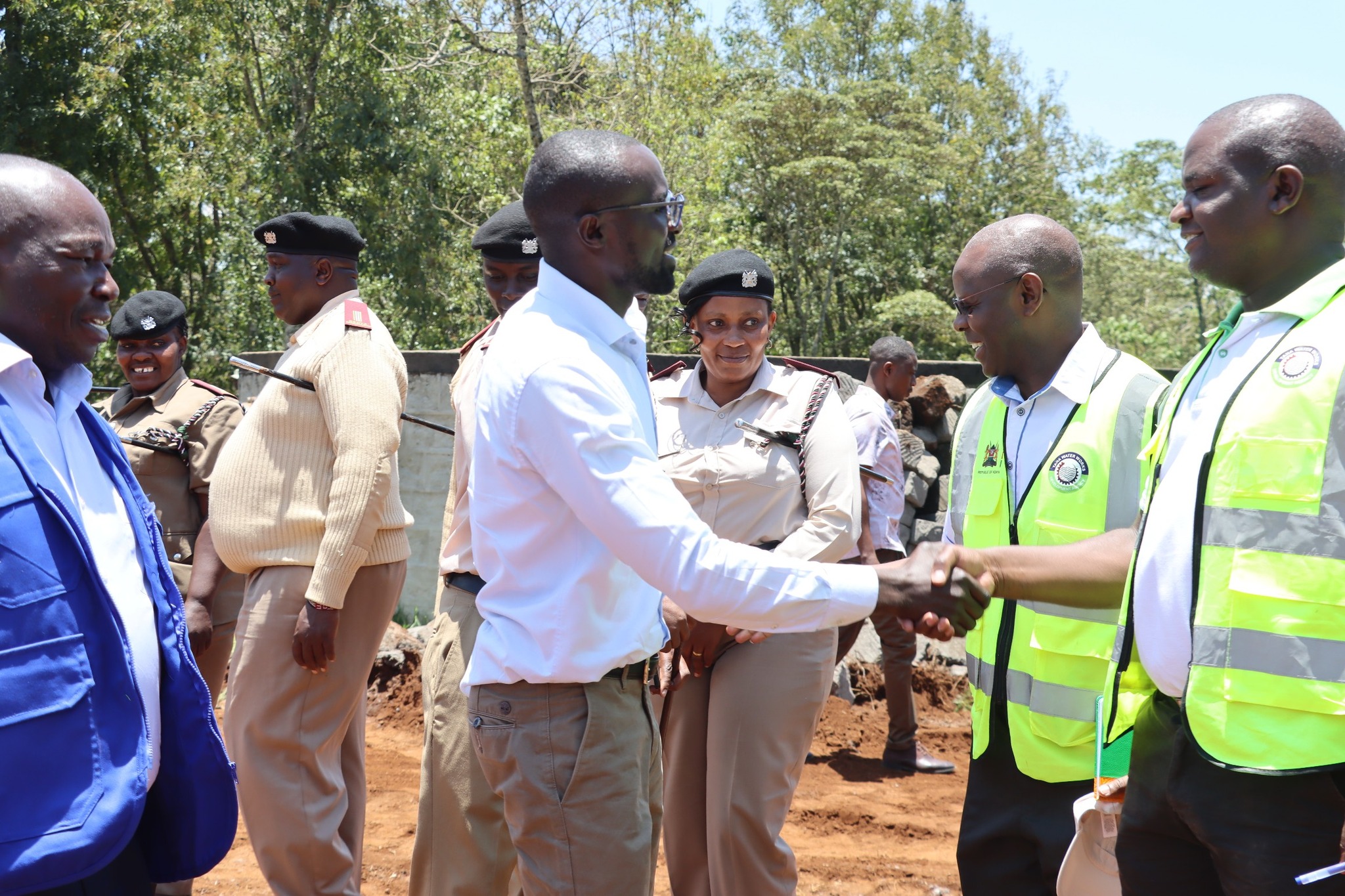
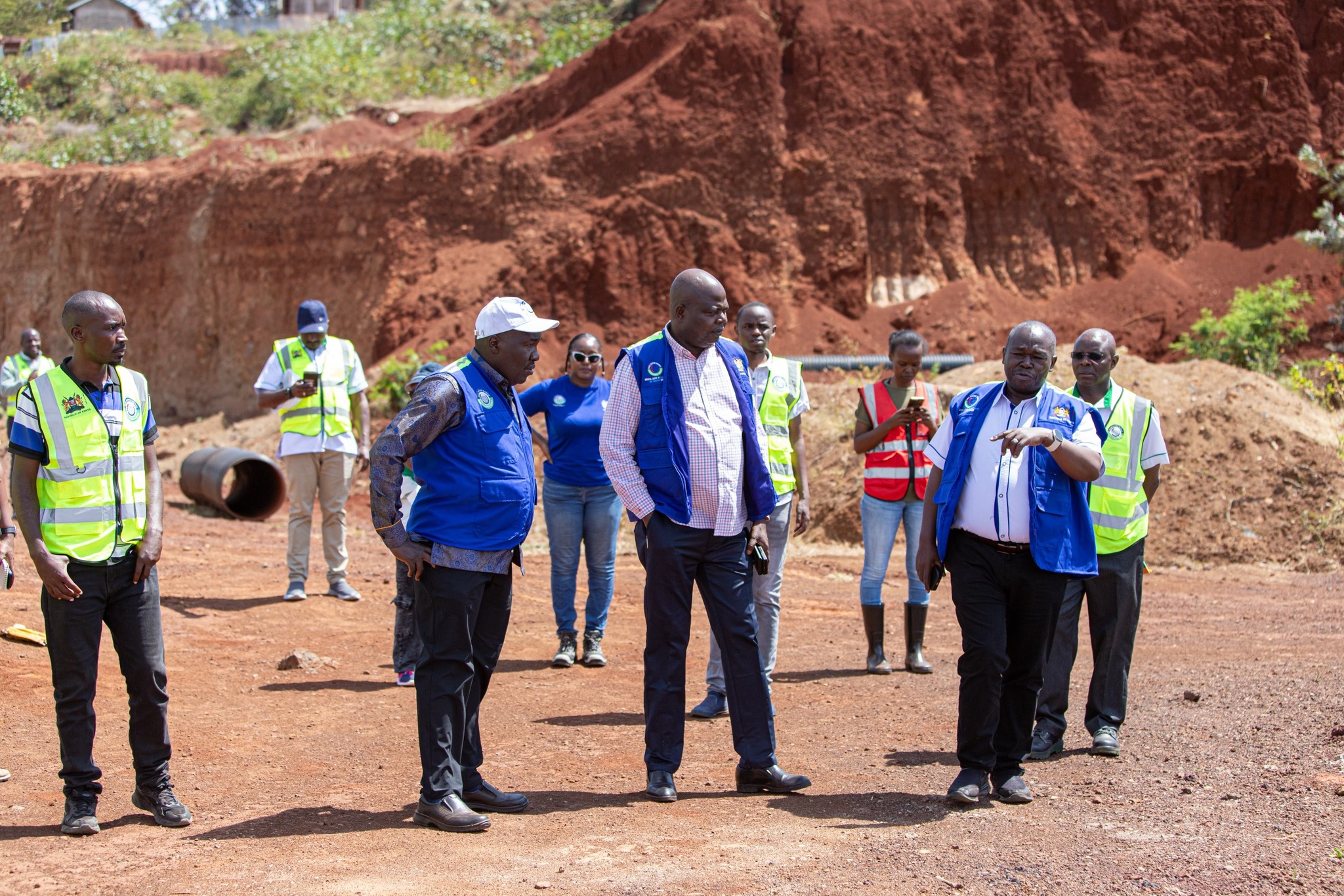
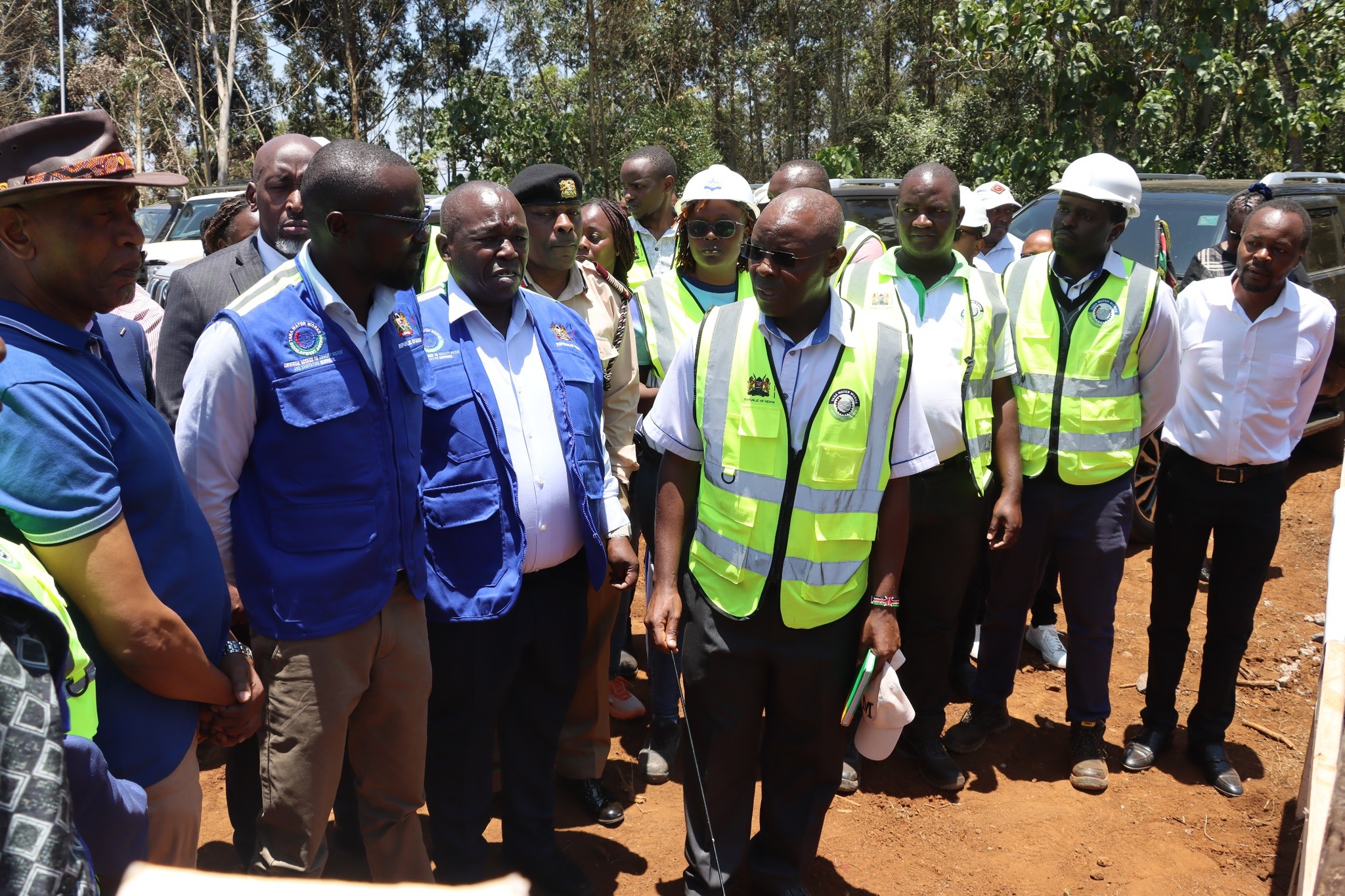
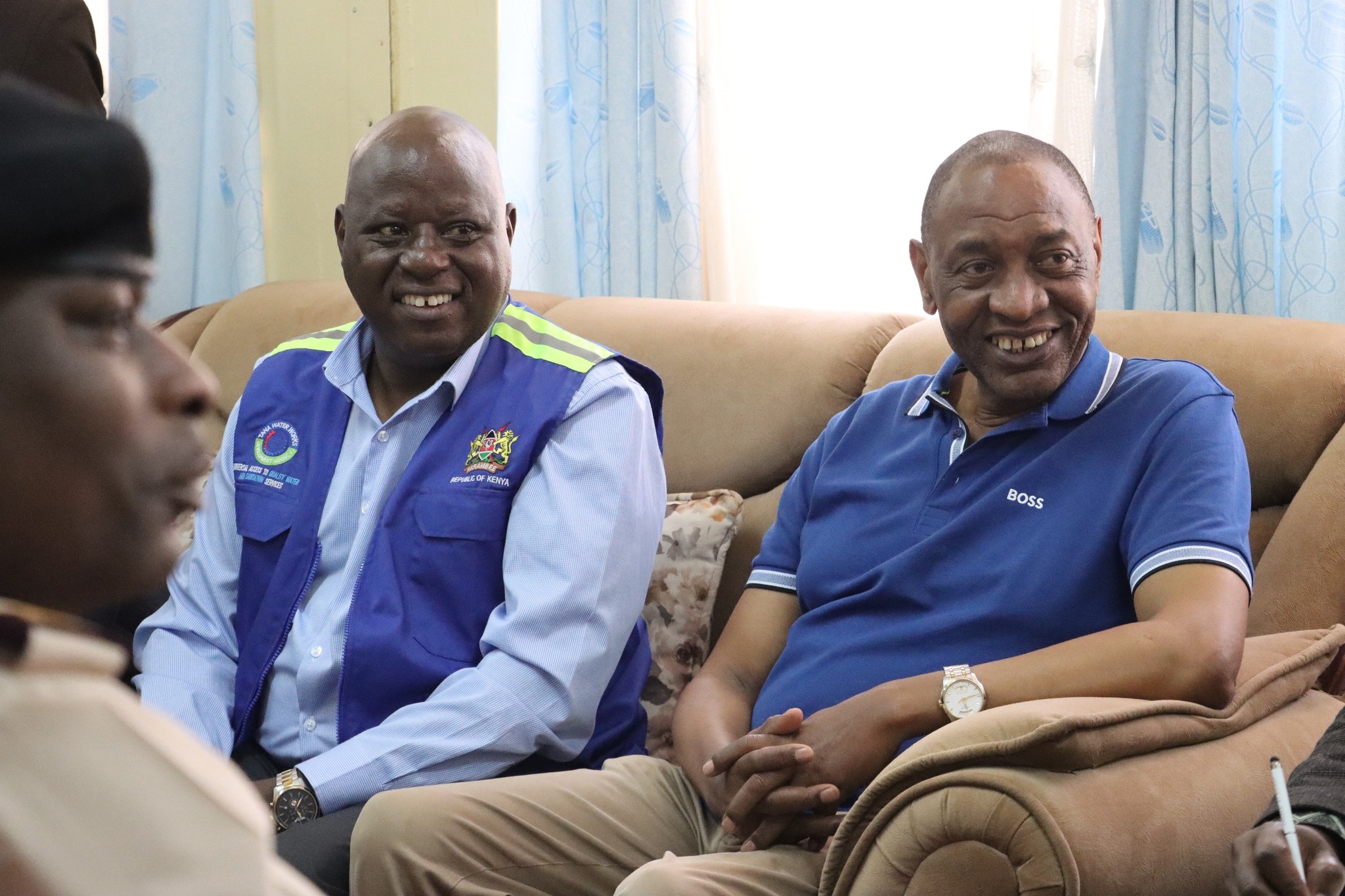
There is a particular hush at dawn on a worksite just after the first convoy arrives, the quiet hum of machine for various functions, the rattle of boots on gravel, and the soft conversations of engineers and community members comparing notes. Between 17 and 20 September 2025, that hush threaded through three counties as Cabinet Secretary Eng. Mugaa Murithi Eric, accompanied by Principal Secretaries Julius Korir and Ephantus Kimotho, among other leaders and heads of institutions walked pipelines, inspected treatment plants and sat with residents to renew a promise: safe water and dignified sanitation for communities across Mt. Kenya and Northern Kenya.
Nyeri: Replacing risk with resilience
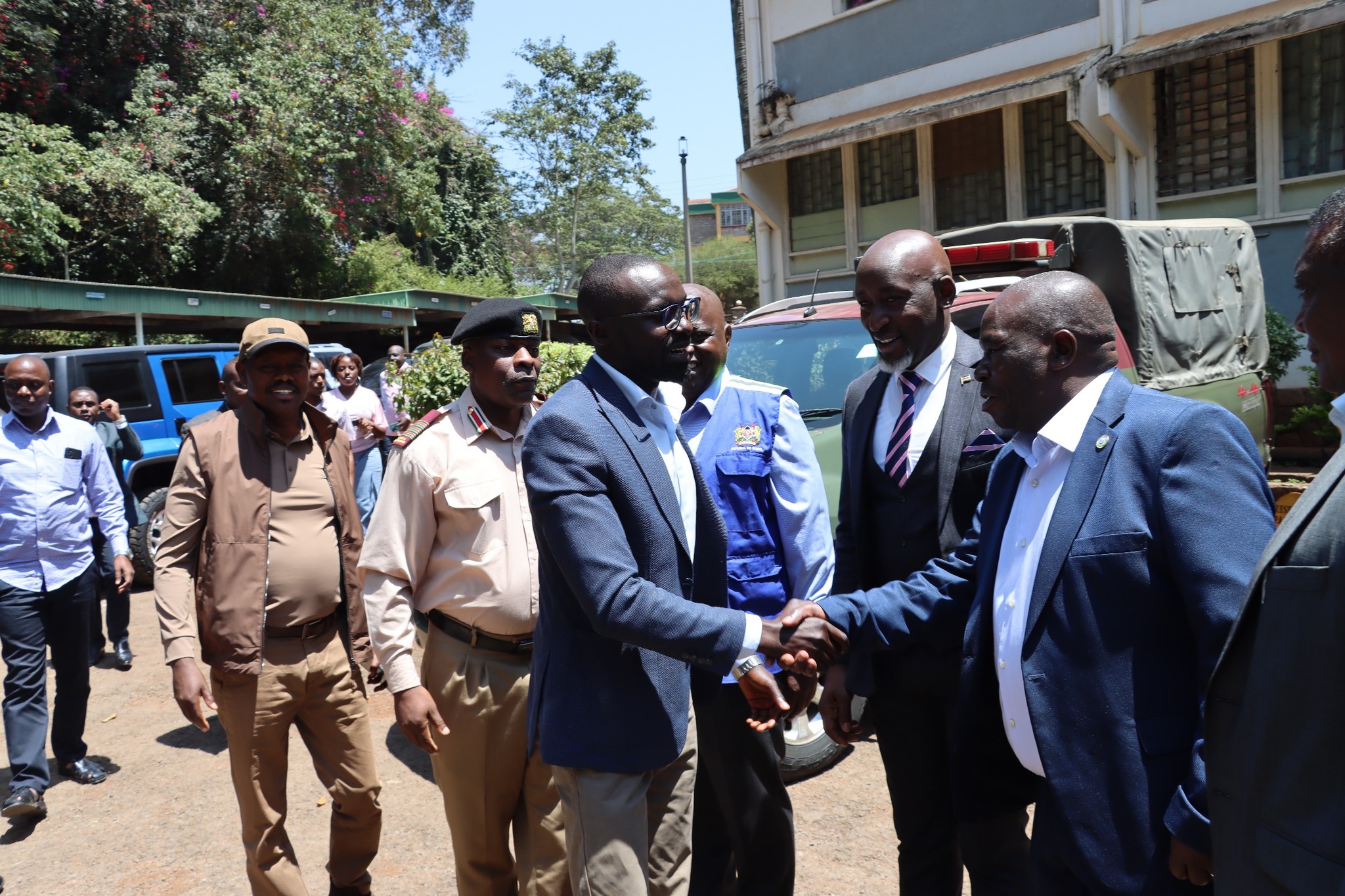
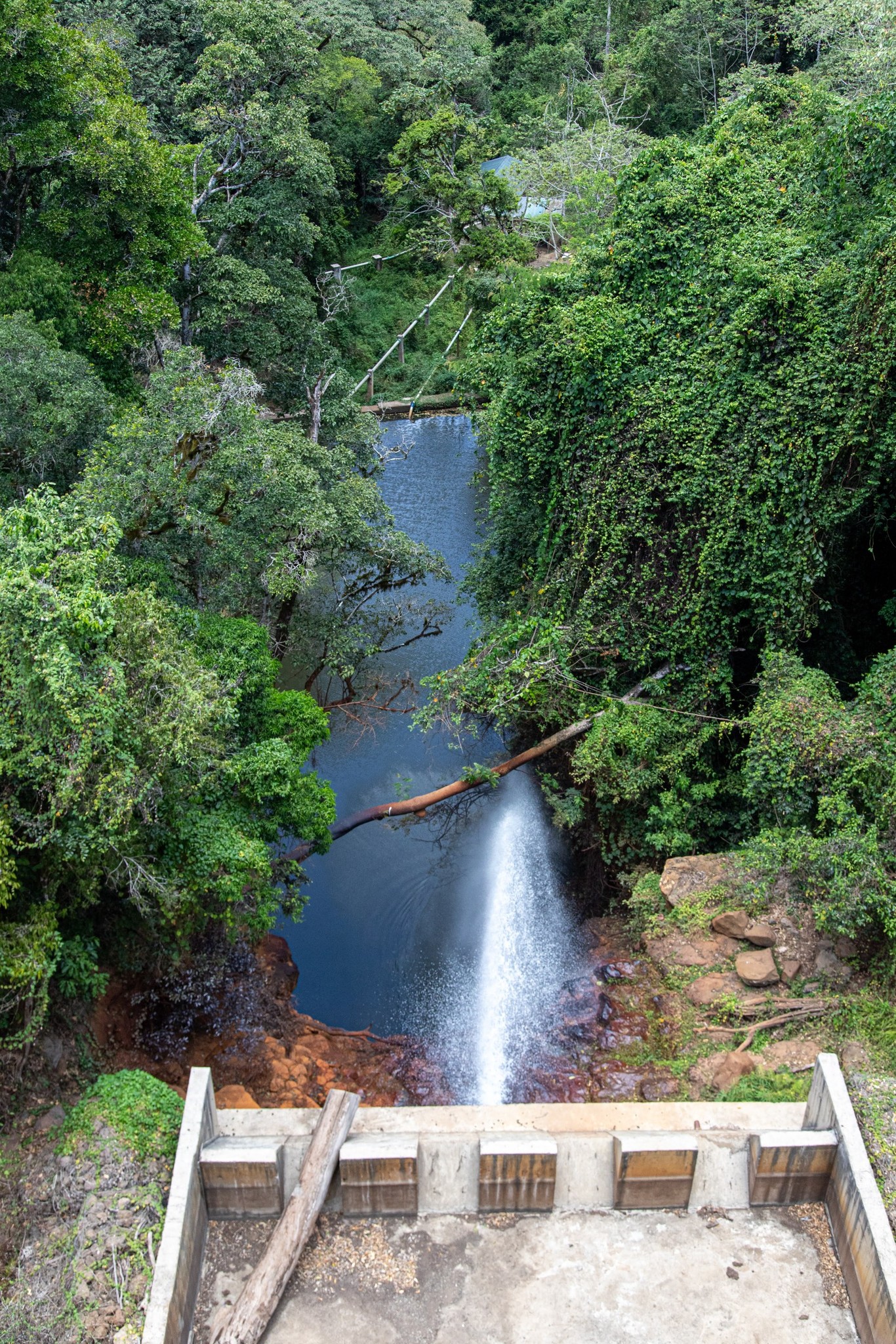
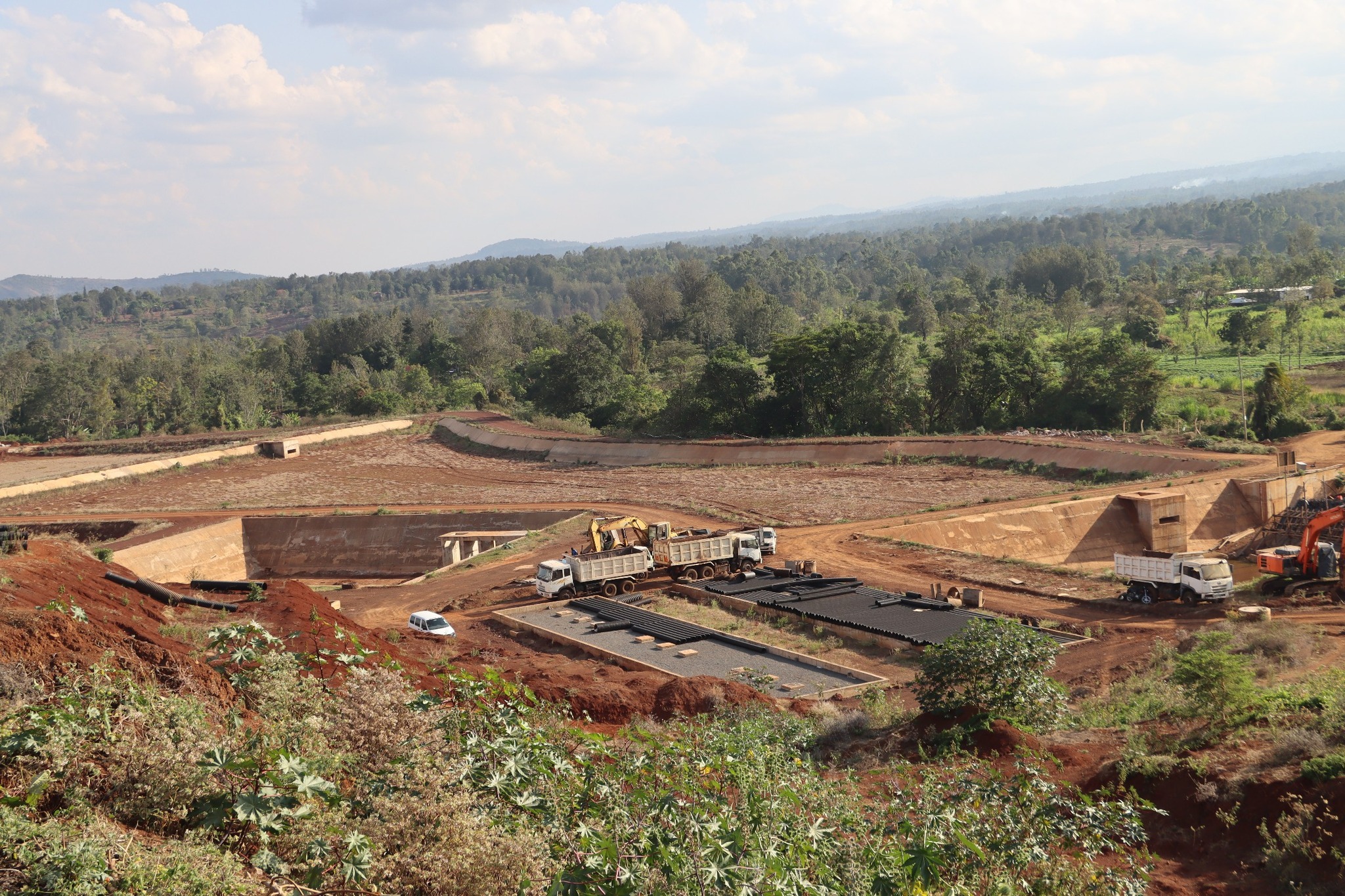
In Nyeri County where the visit began, the CS paid a Courtesy visit to the County Commissioner before proceeding to inspect Tetu Aguthi Water Supply Project, whose expansion is fashioned to tackle chronic water shortages in Tetu East and Tetu West sub-Counties by replacing an ageing, hazardous asbestos pipeline with a robust 250mm HDPE line. Beyond the engineering upgrade, the project is a health intervention: removing asbestos from the distribution network reduces long-term public-health risks while improving flow and reliability. The project also focuses on expanding the current water supply through construction of a new intake across river Magura in Aberdare National Park. It also entails construction of a new Conventional Treatment Works with a capacity of 1000m3/day at Gathunguya within Kiandogoro Forest which will boost daily clean water production and allow for connectivity expansion.
On the ground, the change is tangible. Where households used to rely on intermittent deliveries, the new pipeline promises steadier pressure, fewer leaks and cleaner water. For households, institutions, businesses and small traders who depend on the water supply to produce products, prepare meals, carry out cleaning activities and use the water for various purposes, that reliability translates into better services and steadier incomes. The mood at the site was practical optimism as workers focused on schedules, officials noting milestones, and residents watching infrastructure translate into everyday reality.
Meru: Sewers, wells and the slow algebra of access
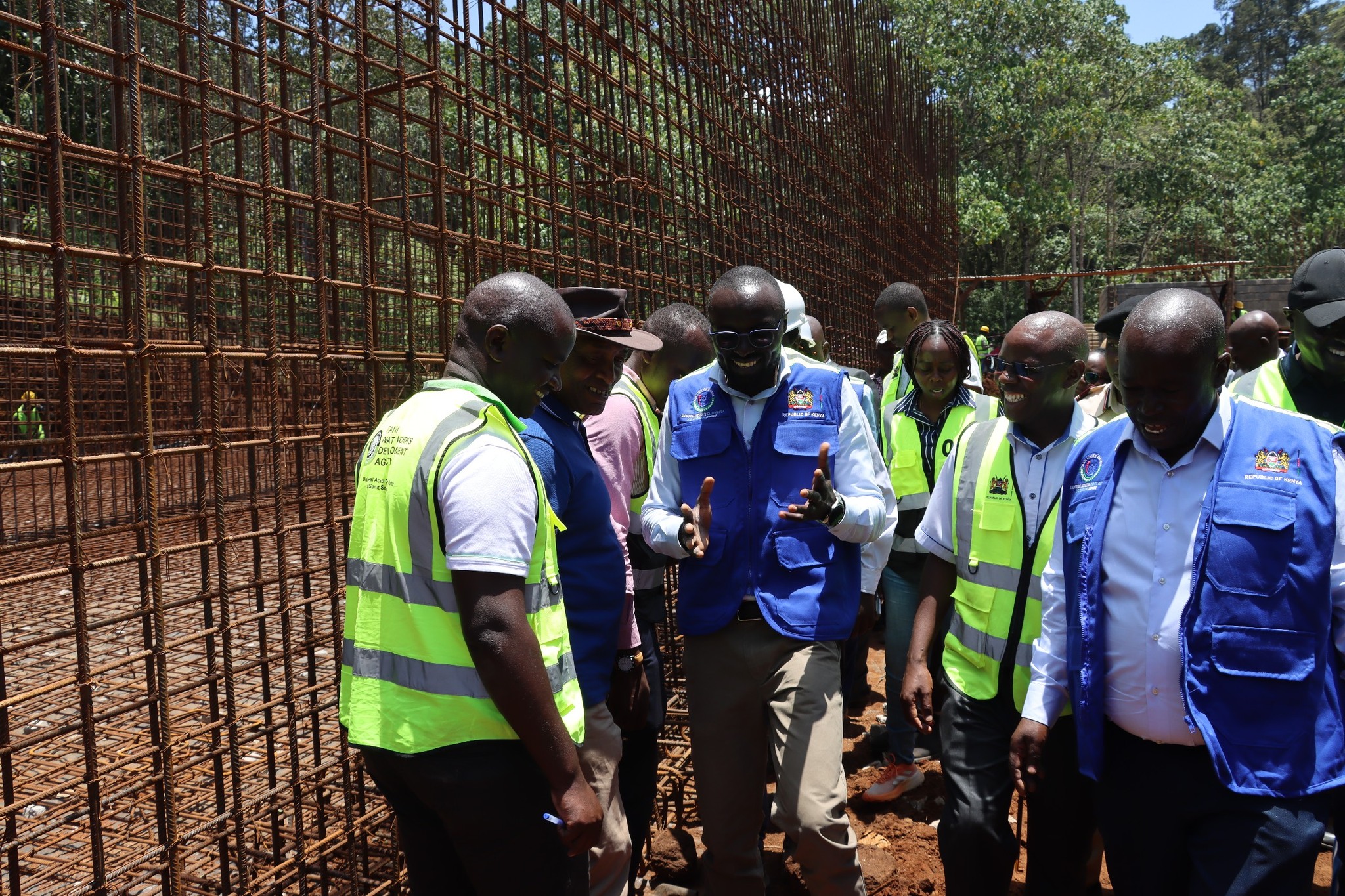
Meru’s visits on 18th September 2025 threaded together large-scale engineering and neighbourhood-level impact. The Meru Sewerage Project, now 77% complete and which was scheduled for handover by year-end, is designed to serve roughly 193,000 residents and mark a turning point in urban sanitation by decommissioning the old Gakoromone Treatment Plant. However, the CS noted that the project was far behind schedule and that the completion date was not certain at all since the Contractor was moving at a speed much slower speed than snail pace. This was quite demoralizing considering that all other projects under the program within the Mt. Kenya region that commenced around the same time as this one were already complete with their impact being recorded to some magnitude. According to the sewerage project design, the scale of work is expected to deliver kilometres of conveyance, construction of manholes and a treatment facility with capacity to receive 8,000m3/day.
The Meru Sewerage project is also earmarked to benefit from last mile connectivity under the National Urban Water Supply and Sanitation Program (NUWASSAP), funded by the African Development Bank (AfDB). Eng. Mugaa emphasized that the wastewater infrastructure project is not an afterthought, but a product a critical necessity for the region at a time when the current infrastructure is overstretched beyond its capacity, creating an environmental hazard to Meru town.
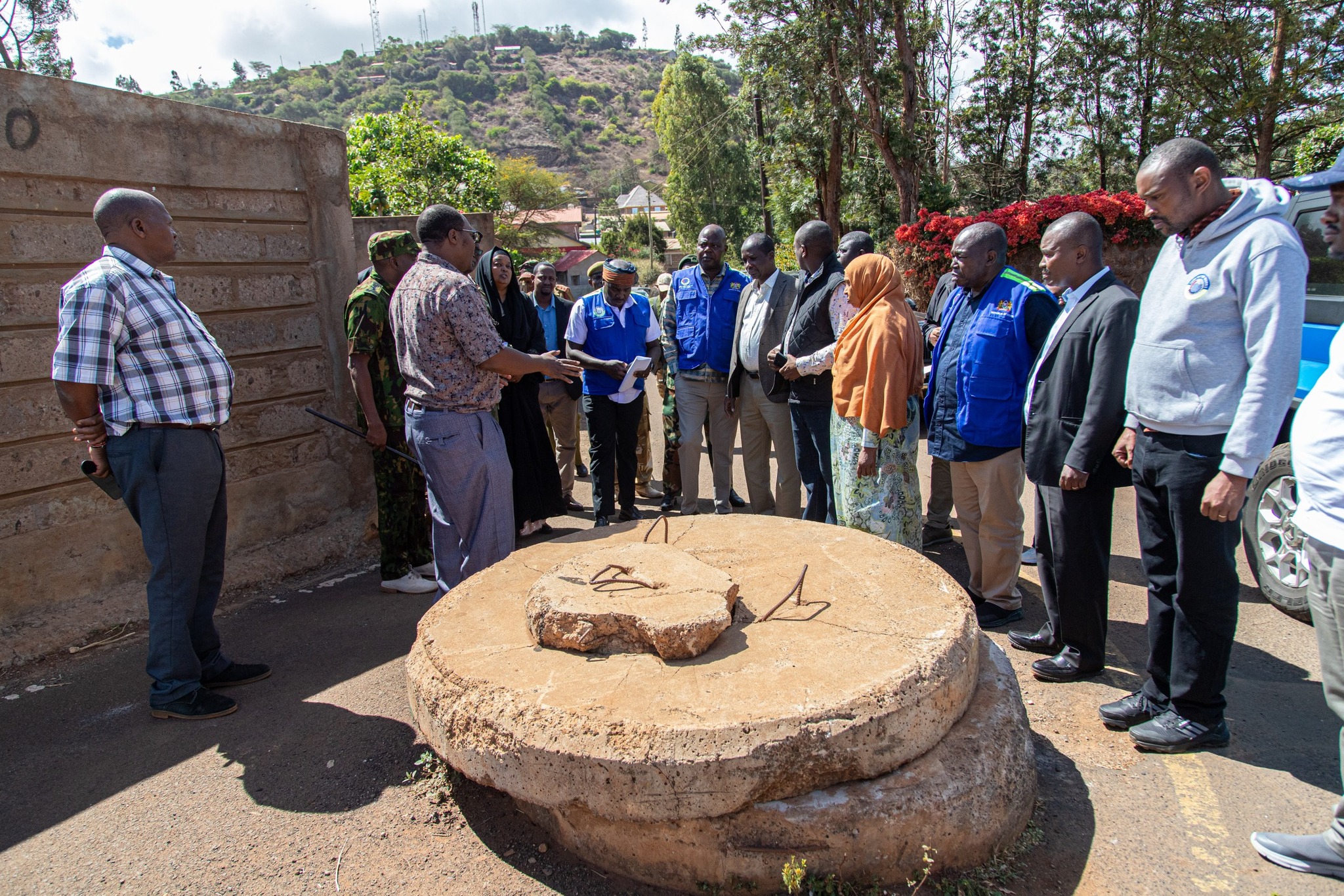
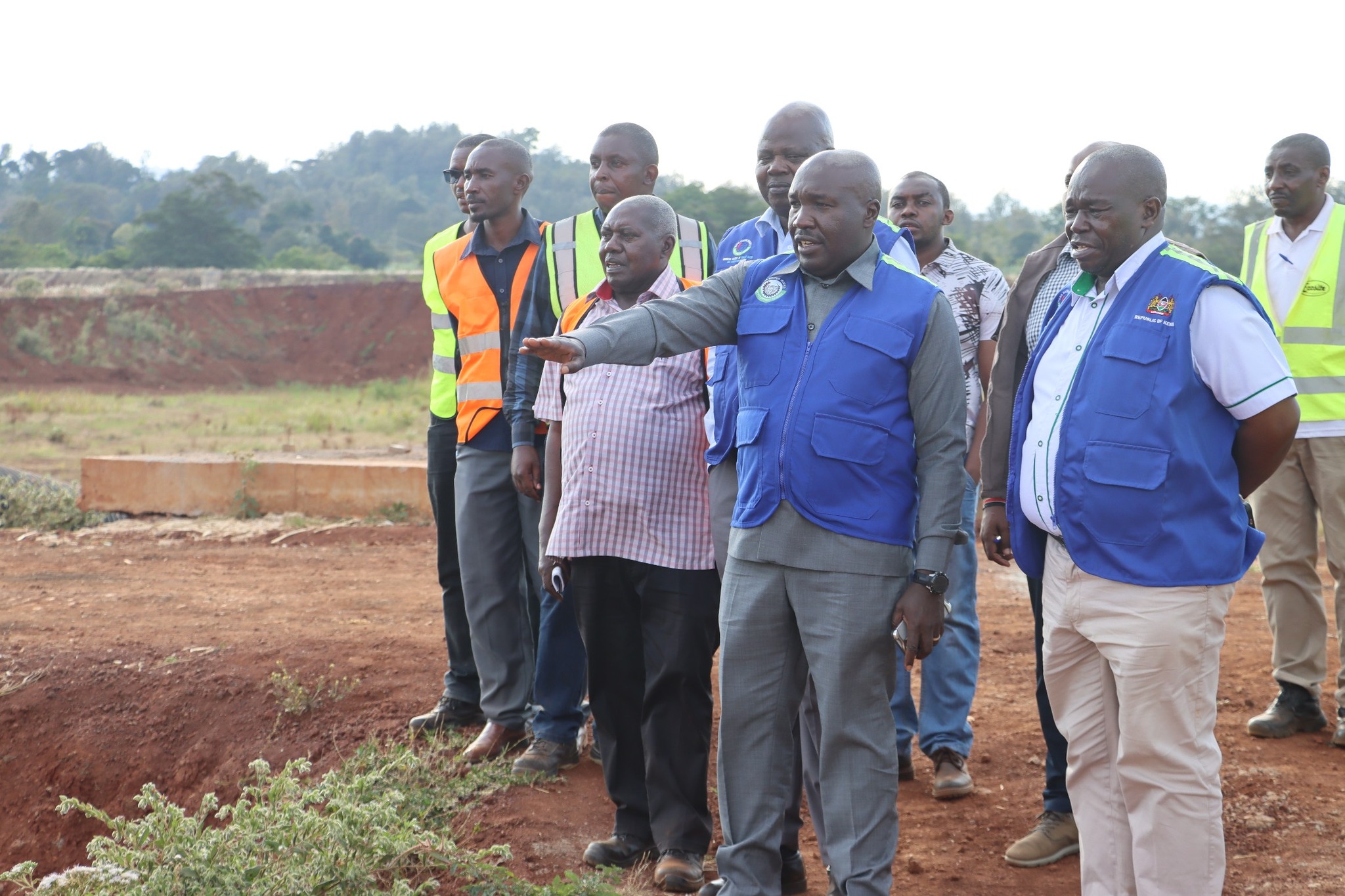
The follow-up inspection led by PS Julius Korir made clear the urgency: contractors were asked to step up manpower and resources to speed up delivery. On a worksite strewn with heavy machinery, materials, tools and blueprints, officials talked not about targets on paper but about a health hazard and environmental degradation that is happening when raw sewer fills up trenches carrying pathogens and contaminants. This calls for urgent action to avert the spread of diseases and further exposure to environmental hazards.
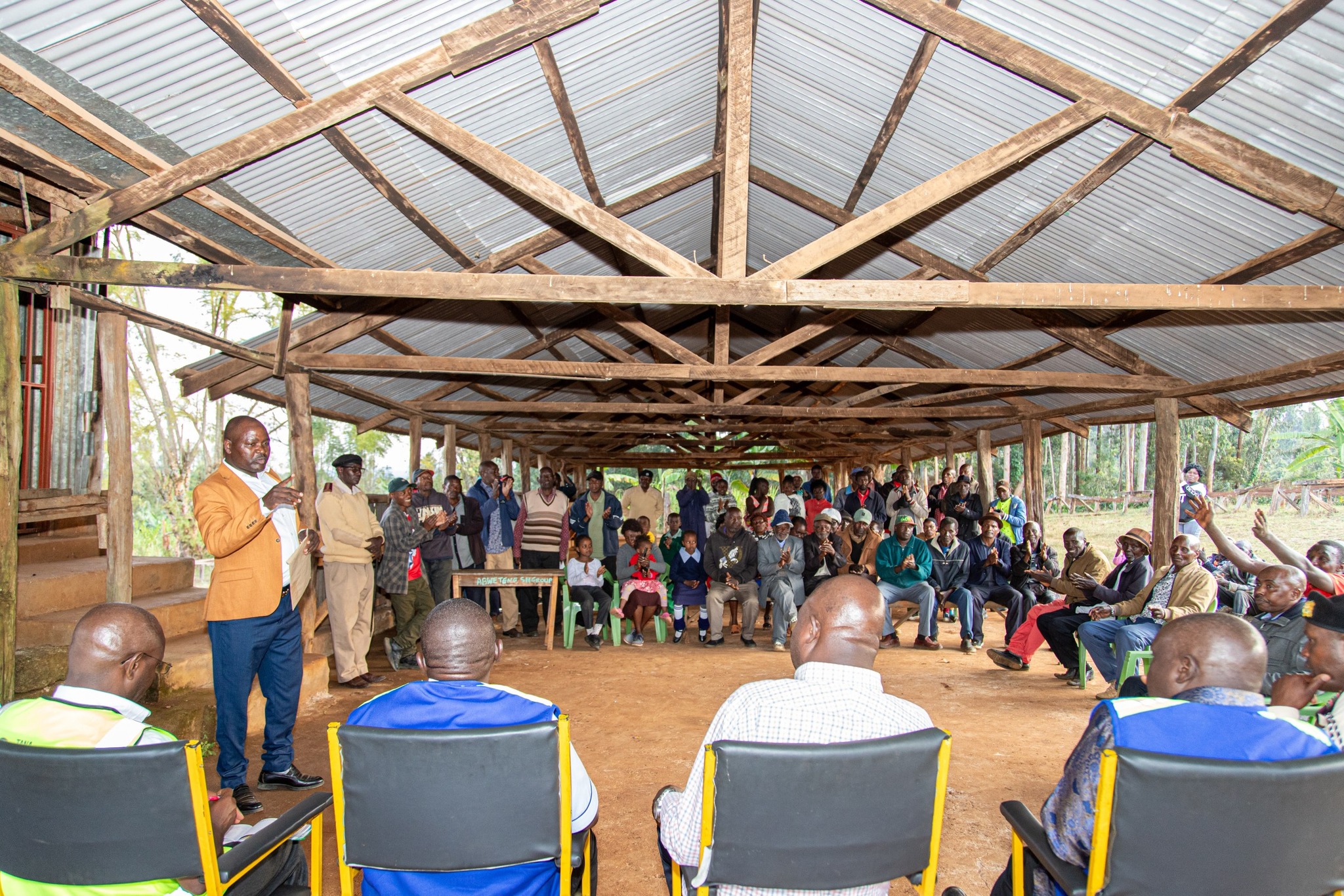
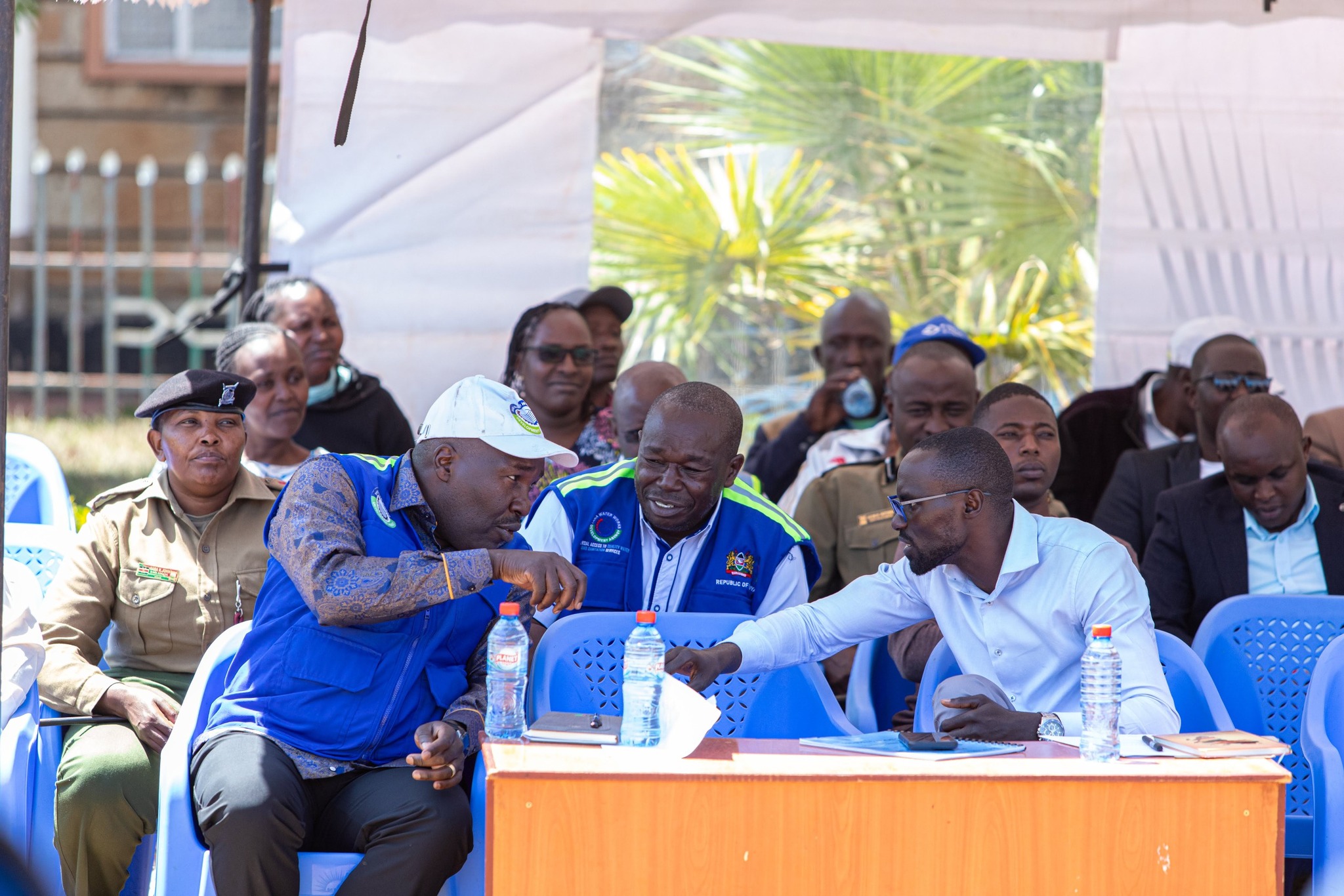
Over two days the delegation moved from strategic oversight to community engagement. A public forum in Imenti Central on the proposed Baraka Water Project brought residents, engineers and leaders into a session where participants got to appreciate the community led initiatives translate plans into lived outcomes. Through the discussions, the management of the existing community projects articulated their success stories, impact created as well as interventions needed to surmount their existing challenges which included provision of water supply infrastructure like pipes, meters and connection fittings, training and capacity building, as well as billing systems. Leaders present took note and promised to assist by provision of the items required as well as collaboration with entities who are able to support such initiatives.
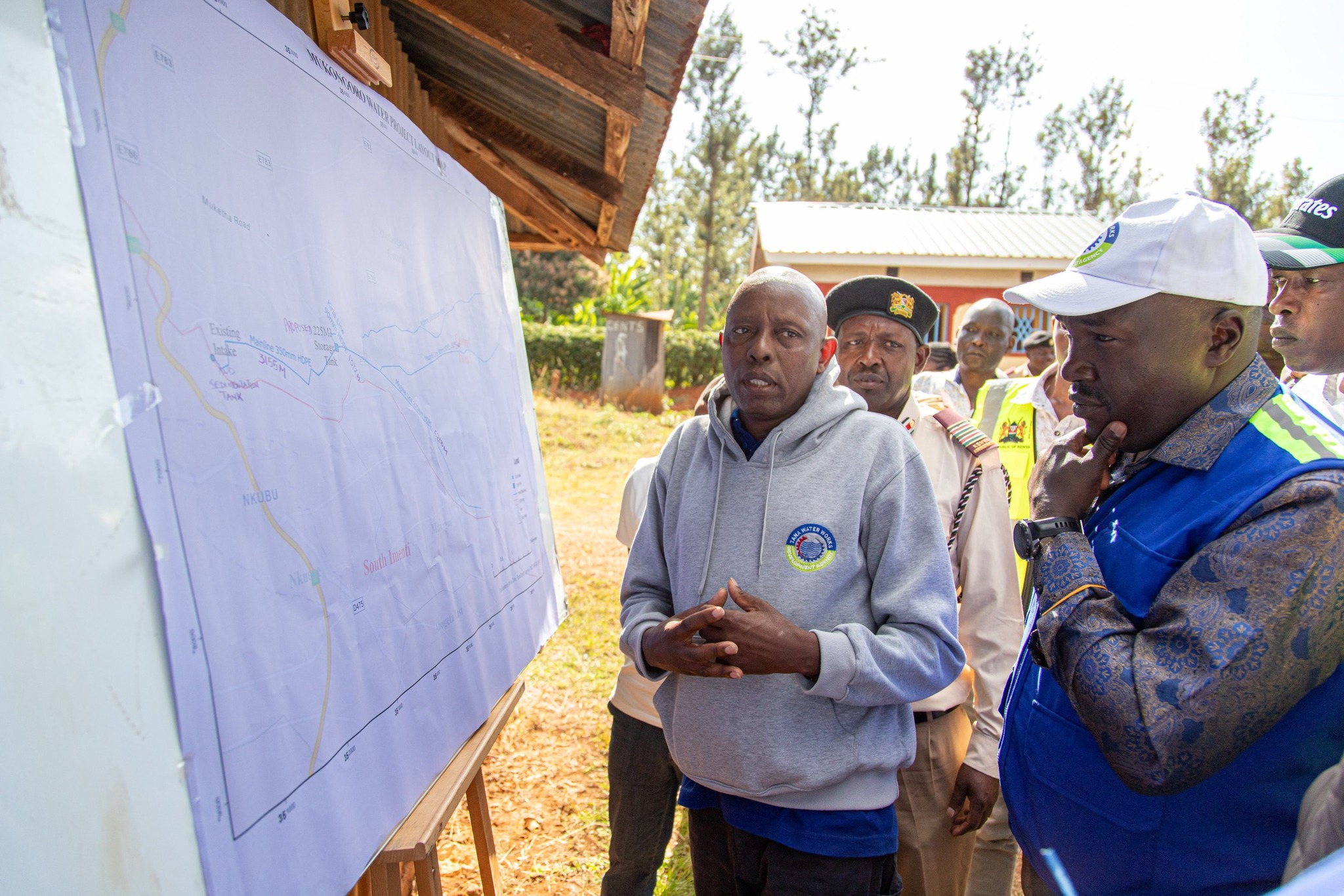
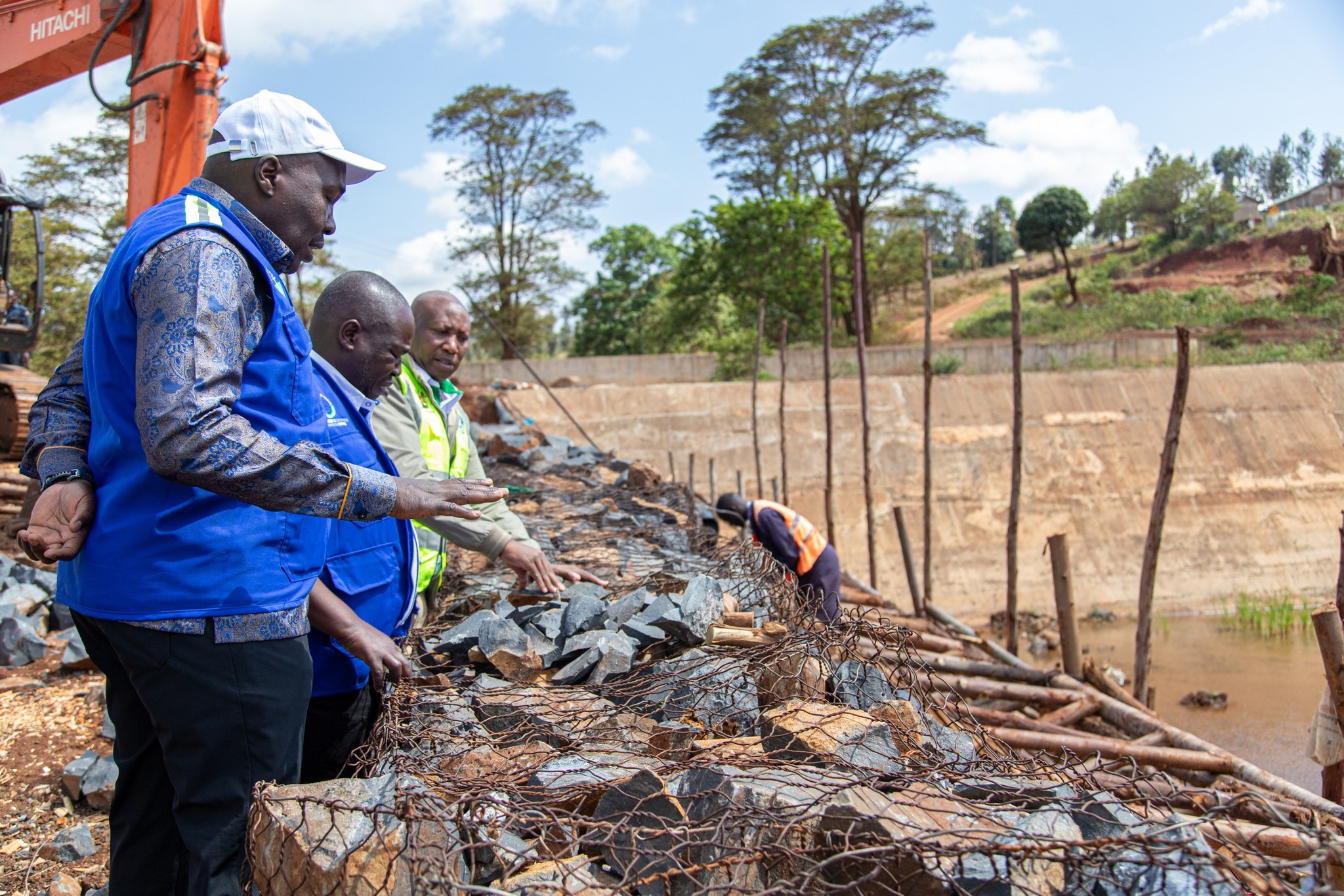
Activities of the day also included site visits to Mukongoro and Kaari Water Projects, which showcased how smaller schemes plug directly into daily life. Mukongoro Water Project will supply 650 households in Kiria, Mwanganthia and Gitiye once completed. Kaari Water Project will expand access for 5,000 residents thereby providing incremental gains that add up to food security, economic resilience, reduced water losses and more resilient livelihoods.
Marsabit: Finishing strong – delivering the promise
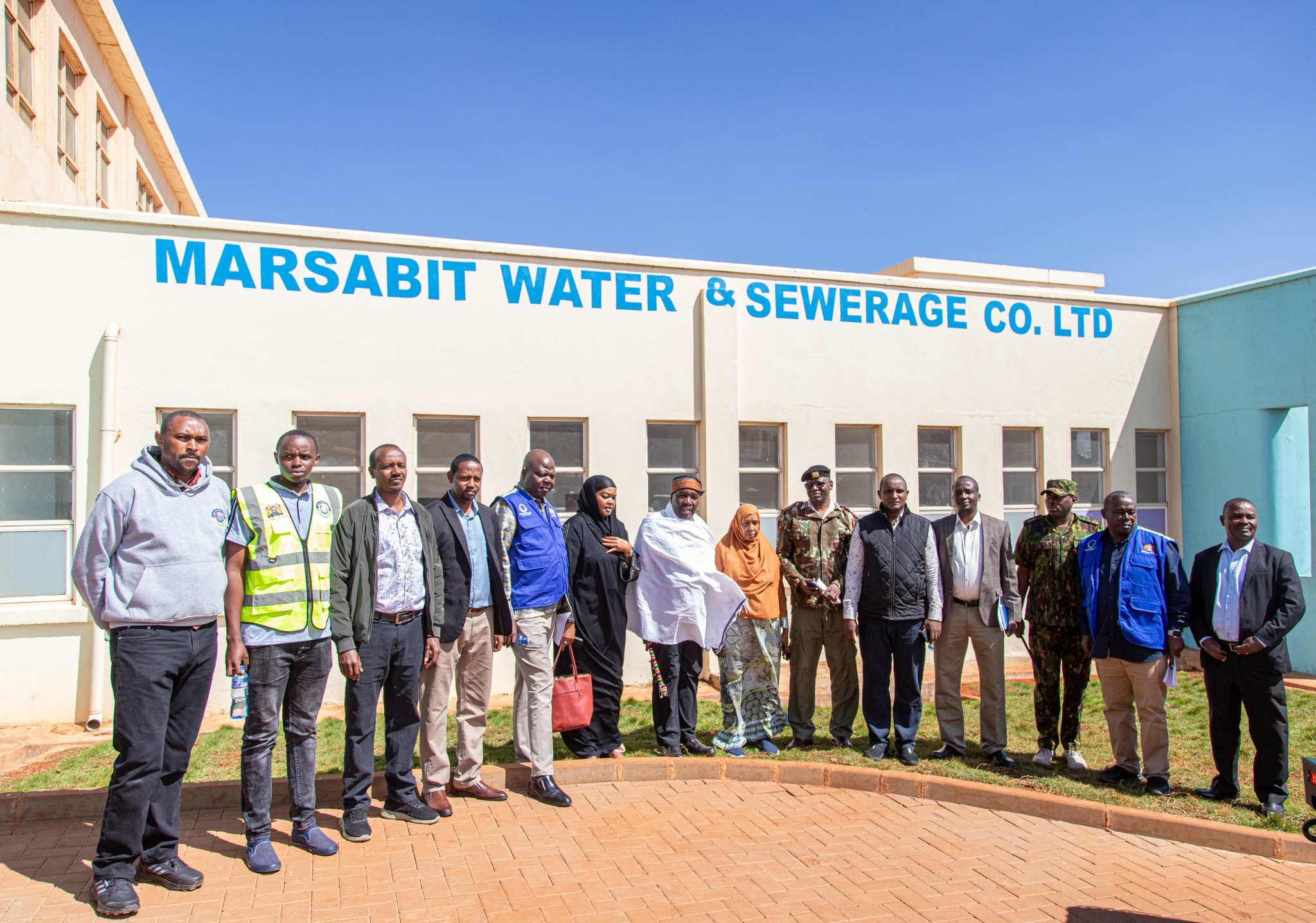
In Marsabit the tone shifted toward completion. The flagship projects which are the Marsabit Water Supply Project (98% complete) and the Marsabit Sewerage Projects (90% complete) were inspected as final touches were applied. These projects will extend clean water and sanitation to over 40,000 residents, a transformation that in arid landscapes can change everything from school attendance to livestock health and food security.
Here the conversation was about coordination: timely handovers, training local teams for operations and maintenance, and ensuring that the collaboration between County and national governments sustain the momentum required to ensure quick project completion. The PS emphasized the interagency collaboration especially with the Kenya Urban Roads Authority (KURA) to resolve the remaining contractual obligation on the road’s contractor, of ensuring that protruding manholes are levelled to the road surface and well-sealed for effective road use. In these final stages, small administrative moves determine whether infrastructure delivers reliably for decades or deteriorates within a few seasons.
Beyond concrete, pipes, pumps and tanks
What ties these visits together is a simple human equation: reliable water and sanitation, reduce disease, free time for income-generating activity, and restore dignity. Replacing hazardous materials, expanding sewer coverage, and finishing near-complete schemes are technical achievements, but their payoff is social and immediate, rendering cleaner homes, safer schools and steadier livelihoods.
The inspections also reinforced a governance lesson: infrastructure succeeds when politics, engineering and community voices converge. The CS and PS did more than check boxes; they pressed for faster delivery, urged closer cooperation with leaders and Counties, as well as elevated public participation to ensure projects relate to the community needs.
The road ahead
The work is not finished. For projects to fulfil their promise they must move from construction to reliable operation where trained staff are deployed, sustainable financing, clear management of boreholes and treatment plants, and continued community stewardship. The final push on contracts, the removal of bottlenecks and the visible follow-through on promises will determine whether new pipelines and any other water infrastructure become lasting public goods.
Final note
Walking a pipeline or touring a dam or a water supply treatment plant can feel technical and remote, but the end of that walk is always the same: a tap running when a mother needs water, a child returning from school healthy enough to learn, a vendor able to depend on steady customers. From Nyeri’s HDPE line to Meru’s expanding sewer network and Marsabit’s near-complete flagship projects, these inspections were a timely reminder that infrastructure, when done with care and accountability, is the ordinary miracle that quietly changes lives permanently. A new song of fulfilled dreams, abundant prosperity, and seamless access to water becomes the tune every household dance to.